December in the Languedoc: from cloudy young wines to crystal clarity
/
How December brings clarity to young wines
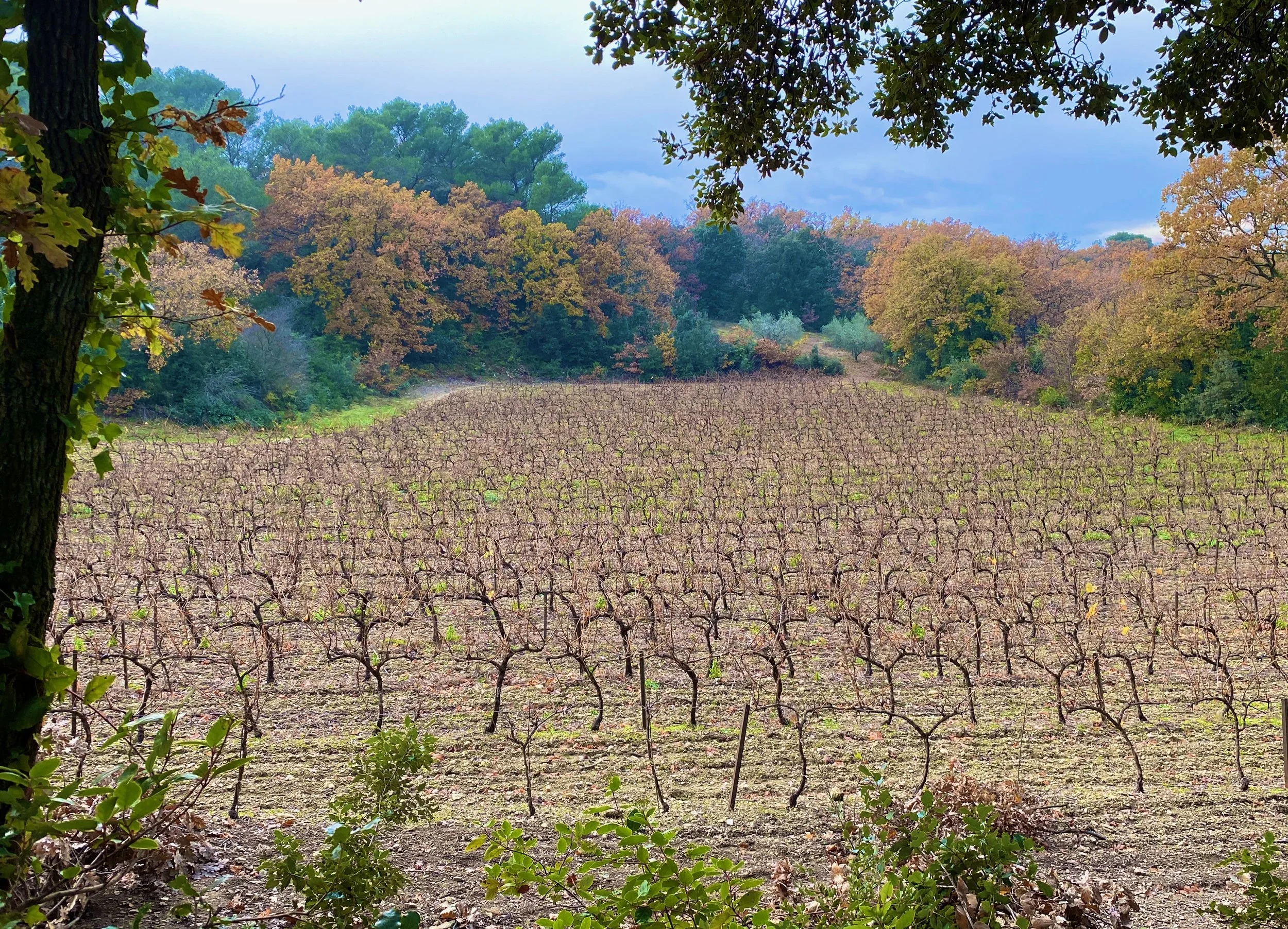
IDecember in the Languedoc is a time of softness — misty mornings, quiet vineyards, chilled cellars humming gently. After the intensity of harvest and fermentation, the wines now enter a calmer phase: settling, clarifying, and slowly revealing their character. While the vineyards sleep, the cellar becomes a place of quiet observation. This is where patience matters. And where young wines begin to show who they are becoming.
A month of clarification
The wines made during September and October are now resting in tanks or barrels. During fermentation, millions of yeast cells divided, died, and fell to the bottom of the vessel. Along with grape particles, seeds, and pigments, they form what we call lees — a natural sediment. December is dedicated to decanting the wine off this sediment (already mentioned in my November blog) to help it clarify and protect its flavour.
Clarification matters because it improves purity, prevents off-aromas from decomposing yeast, helps stabilize the wine naturally and reveals early aromatic direction. It’s not flashy work but it’s essential.
Whites & rosés: polishing the bright ones
For many whites and rosés, December is when they start looking more like the wines you’ll drink in a few months: The colours become clearer and more luminous, aromas of citrus, blossom and red berries feel cleaner and more defined.
As fermentation ends, millions of yeast cells die and fall to the bottom of the tank. This creates a layer called lees — an essential part of the next stage. Some white wines will rest on a fine layer of yeast (what we call fine lees) to add a gentle roundness, without losing their freshness.
Fine lees stay suspended longer and can be beneficial to wine texture and aroma.They release mannoproteins (say it if you want to sound geeky), which soften tannins and make the wine feel smoother. It’s the wine equivalent of a spa treatment. Occasionally, winemakers gently stir the lees — a technique called bâtonnage. Bâtonnage is the French term for stirring dead yeast cells, known as "lees," back into wine to add texture, complexity, and flavor. This technique, often used for wines like Chardonnay, helps create a fuller body and can impart creamy or buttery notes
Reds: quiet winter rest
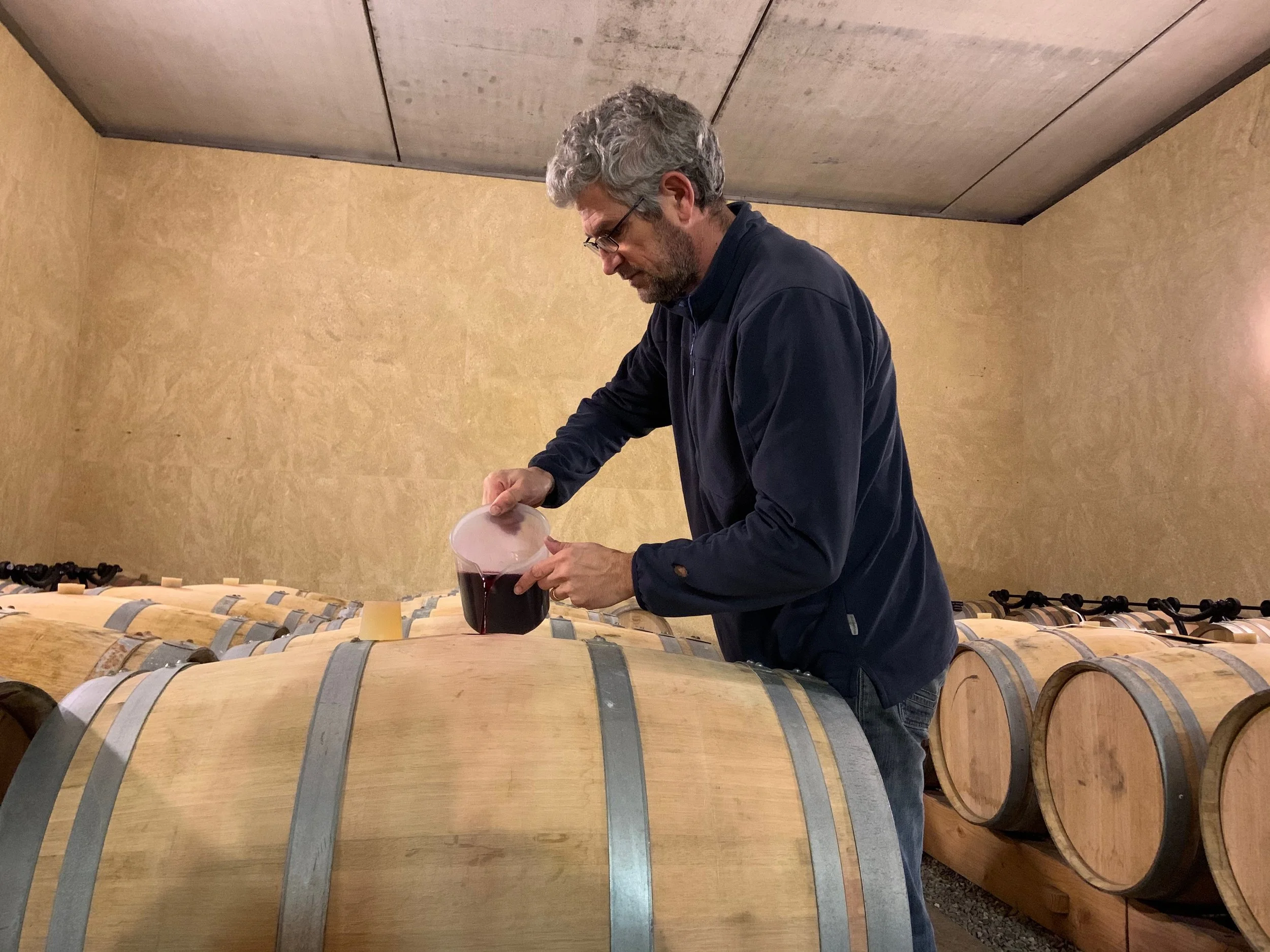
For reds, December is often a time of quiet maturation:. Many have finished their softening phase in November and are now resting in tank or barrel. Tannins slowly knit together, helping the wine feel smoother. Early tasting gives clues about future blends: which barrels bring spice, which bring fruit, which add structure. Tannins, which once felt a bit hard and scratchy, slowly start to integrate. Flavours move from just “fresh fruit” towards something deeper: hints of spice, herbs, and more complex fruit notes.
This is also when winemakers begin early blending thoughts:
Which barrels bring richness?
Which ones bring freshness?
How might they work together in a final cuvée?
It’s a quieter story than harvest, but it’s where balance and harmony start to appear.
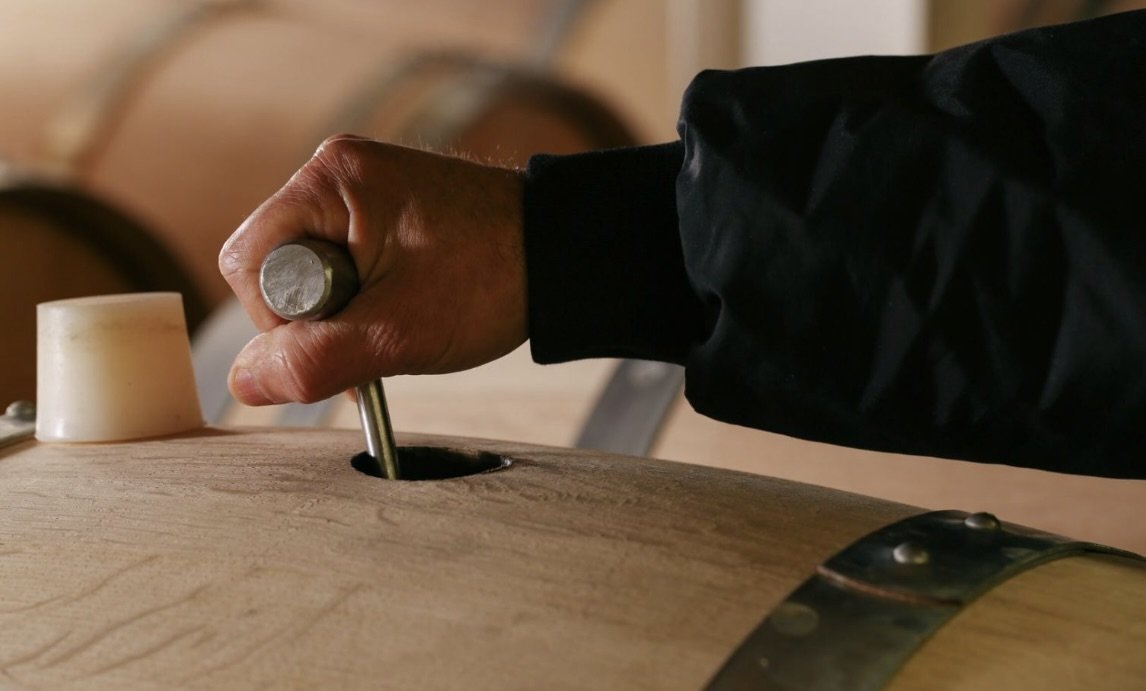
Stirring of the lees
‘Bâtonnage’, is the process of stirring settled lees back into wine to add complexity and texture.
From Science to Emotion
Alongside clarity, December is all about protection. Winemakers carefully keep tanks and barrels topped up to prevent oxidation.
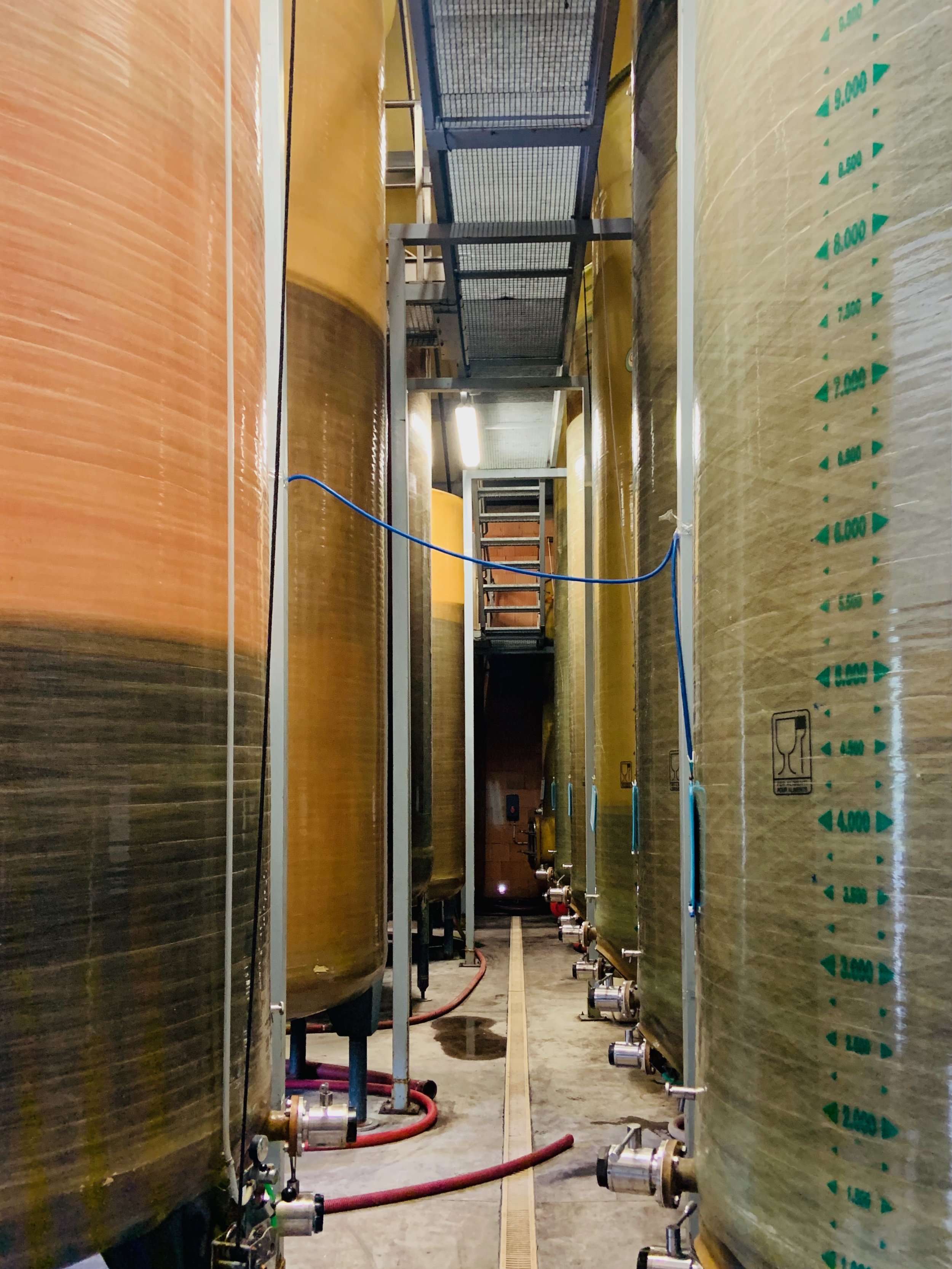
Clearing the view: From Haze to Brightness
The wines rest, clarify, and slowly come into focus.
First glimpse of the future
Winemakers taste from tank and barrel to assess aromatic direction, texture balance and ageing potential It’s like tasting a story halfway through its writing. December shapes how the wine will smell, taste, and evolve in bottle.
December is also when winemakers begin early blending thoughts; which barrels and tanks bring richness? Which ones bring freshness and how might they work together in a final cuvée?
Conclusion: winter rest, quiet precision
The vines outside may look asleep, but inside the cellar, December is a month of thoughtful craftsmanship. The wines rest, clarify, and slowly come into focus — and the winemaker becomes more of a guardian than an active creator.
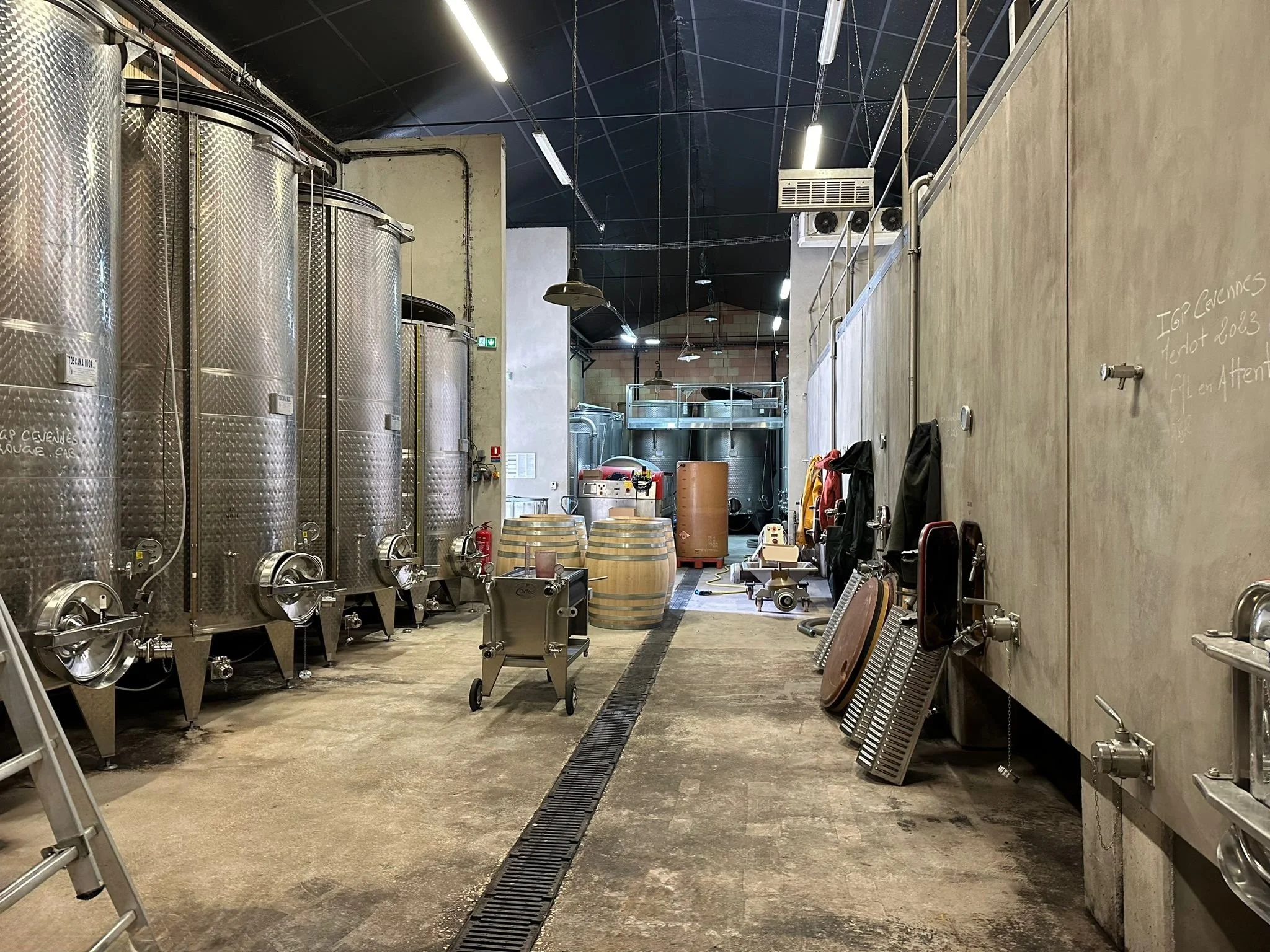
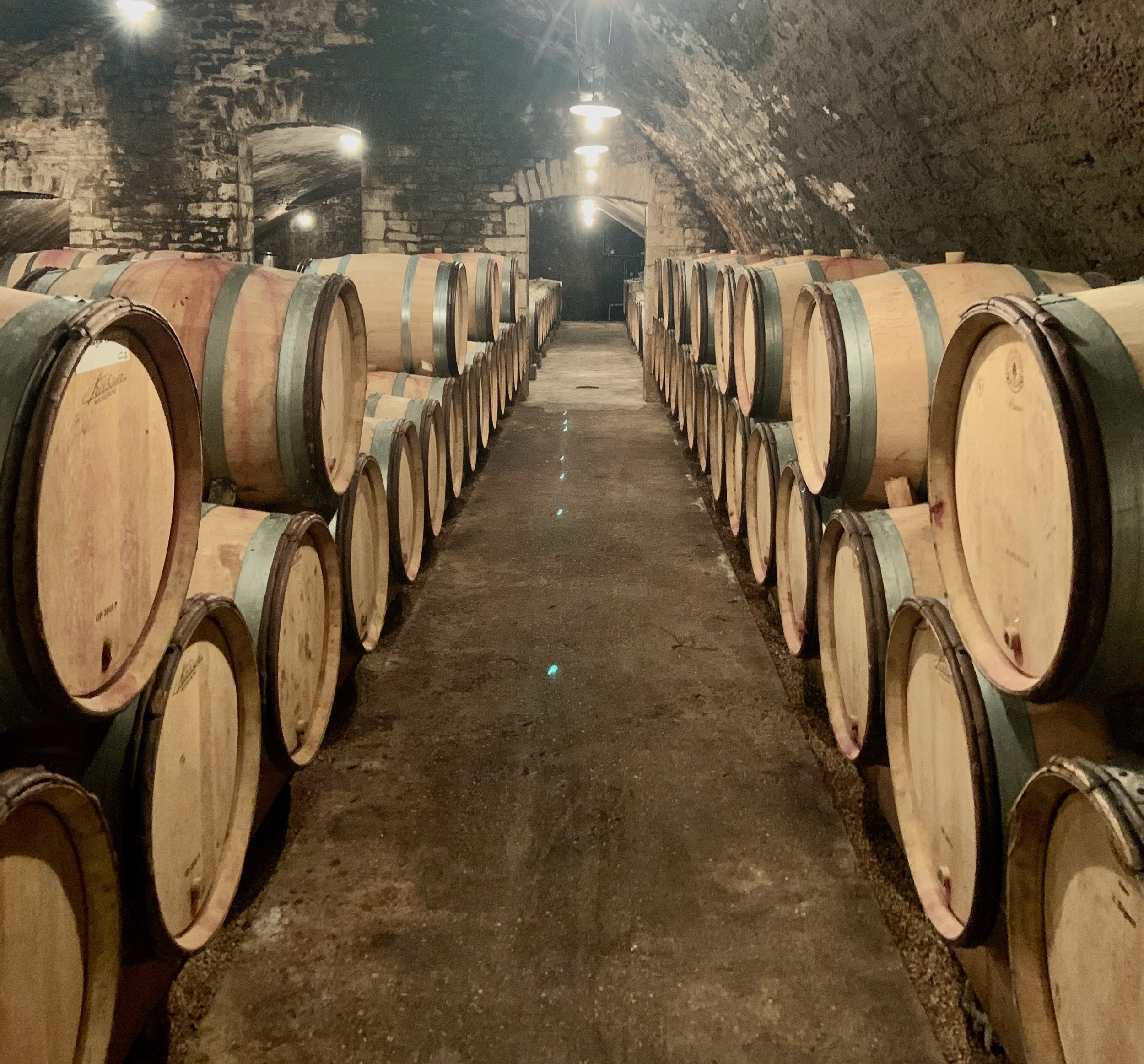
A QUIET wine cellar in december
December feels like the cellar is breathing again - the wines are calm, the barrels rest, the tanks settle. And every step we take is slow, deliberate, and guided by the promise of a new vintage. Next year’s story is quietly taking shape.