
Coming Full Circle: Vineyard Uprooting Then and Now
/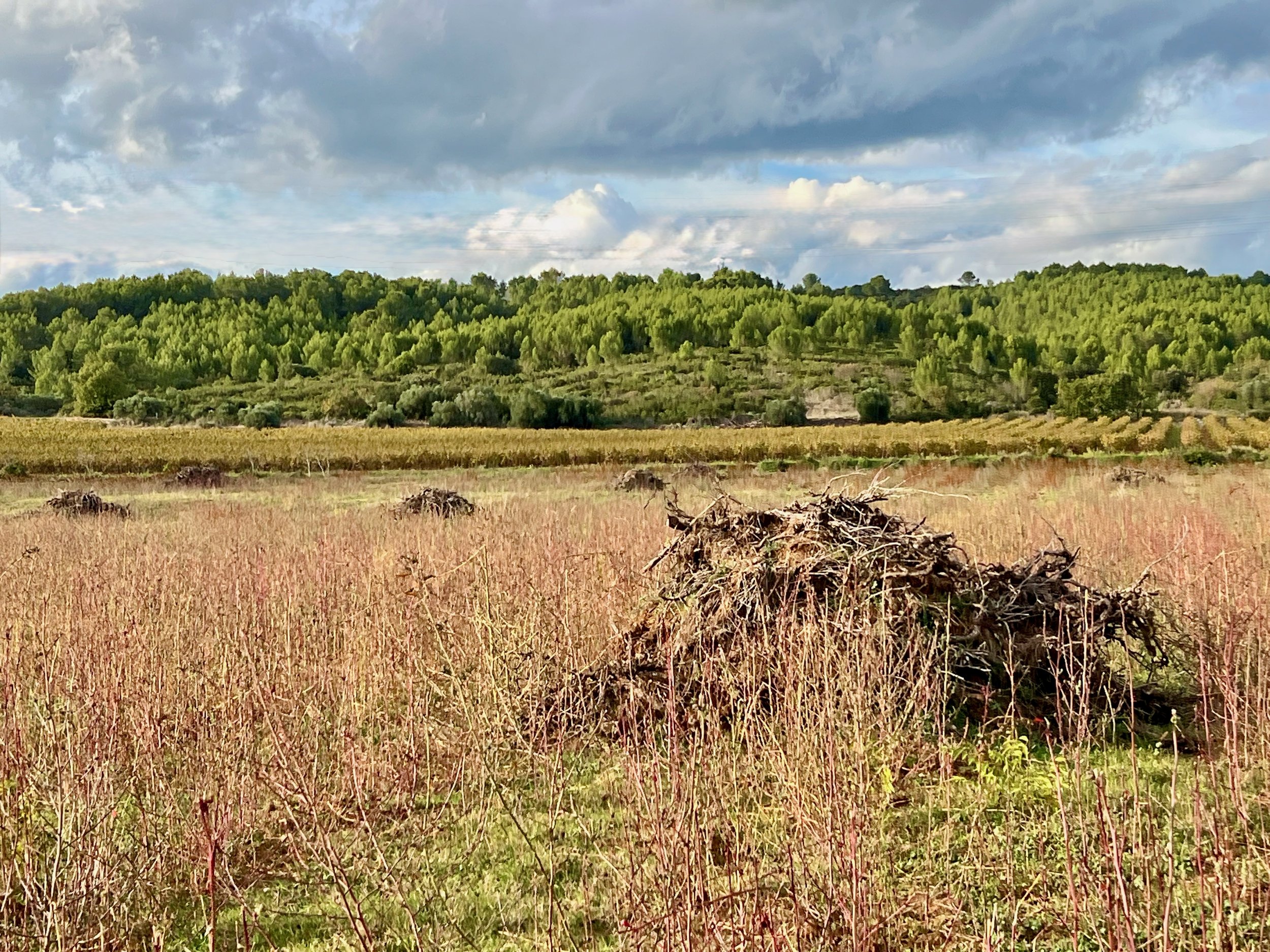
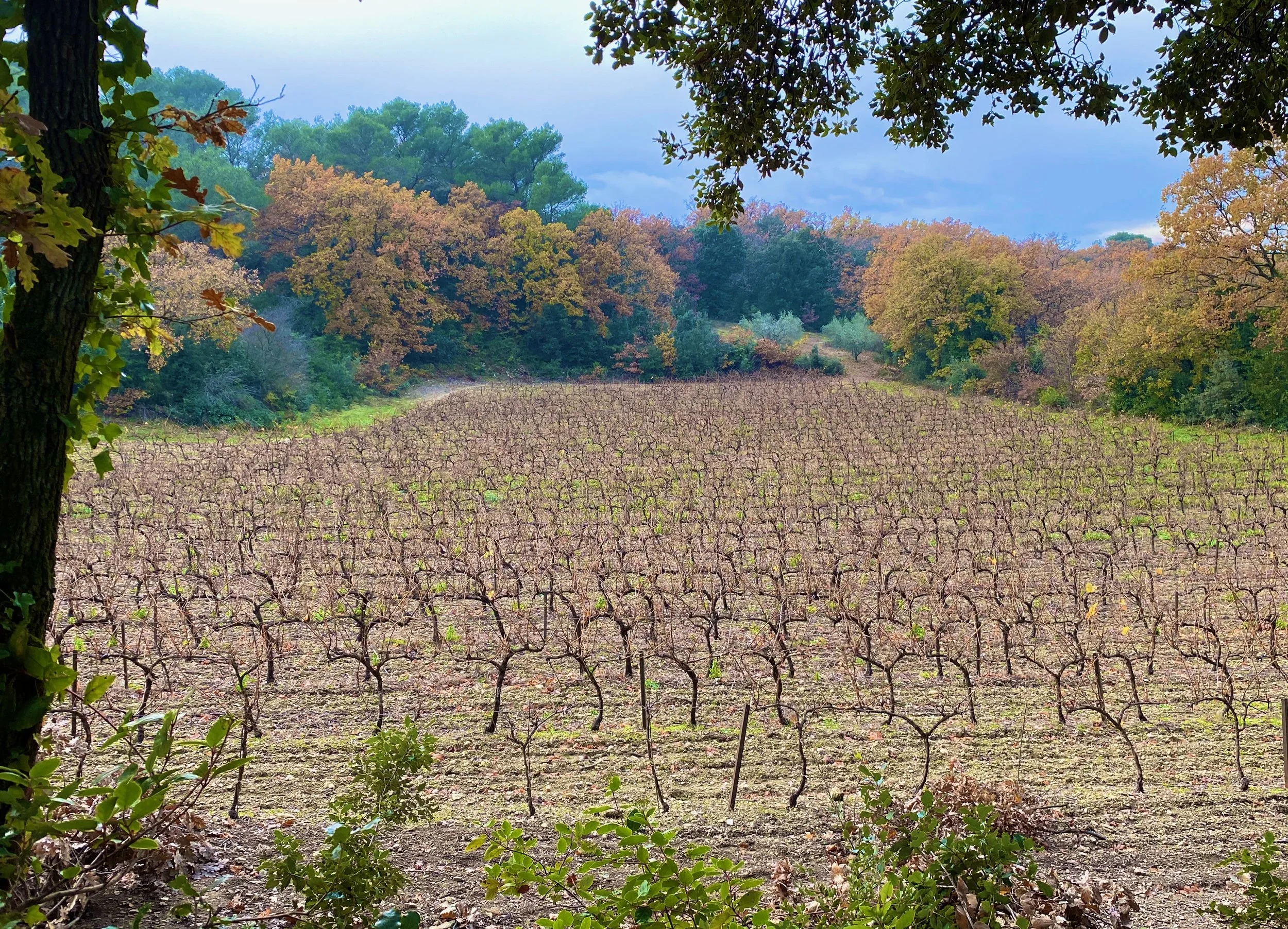
UPROuted vineyards near uzes
Languedoc in transition (once again)
Today, as 2025 comes to a close, Languedoc once again finds itself pulling out vines on a large scale — a reality that must feel eerily familiar to those who lived through the crisis of the 1980s. Across southern France, growers are accepting subsidies to uproot vineyards as falling consumption, oversupply, and economic pressure make many parcels no longer viable. While the causes differ in detail, the structural logic is strikingly similar: too much wine, too little demand, and a production model out of step with reality.
In the 1980s, uprooting was driven by the collapse of Europe’s mass wine economy. Cooperative cellars were overflowing, consumption was falling, and the European Union responded with vine-pull schemes aimed at reducing volume and restoring balance to the market. Those programs marked the end of Languedoc’s role as France’s industrial wine basin and triggered a fundamental shift toward quality, varietal diversity, and export-focused production under the newly expanded IGP system.
Four decades later, the region faces a different but equally destabilising challenge. Wine consumption is again declining — this time for cultural, health, and generational reasons — while climate change is making many vineyards harder and more expensive to farm. Rising alcohol levels, recurring droughts, disease pressure, and increasing input costs have eroded margins, particularly for growers producing entry-level wines. As in the 1980s, uprooting has become a tool of last resort, allowing growers to exit an unsustainable model or make room for restructuring.
What makes this moment feel like a full circle is not simply the return of uprooting itself, but what follows it. In the 1980s, vines were pulled out to make way for new grapes, new people, and new ideas. Today, uprooting is again clearing space — not for volume, but for adaptation. Parcels are being replanted with drought-tolerant Mediterranean varieties, experimental PIWI grapes, or sometimes not replanted at all, allowing growers to rethink scale, biodiversity, and long-term viability.
Once again, the IGP system sits at the heart of this transition. Just as IGPs (Indication Géographique Protégée - see earlier blog) enabled the international varietal revolution of the late 20th century, IGPs now provide the regulatory flexibility needed to respond to climate and market realities. They allow growers to pivot toward resilient varieties, lower-input viticulture, and new styles better aligned with today’s consumers
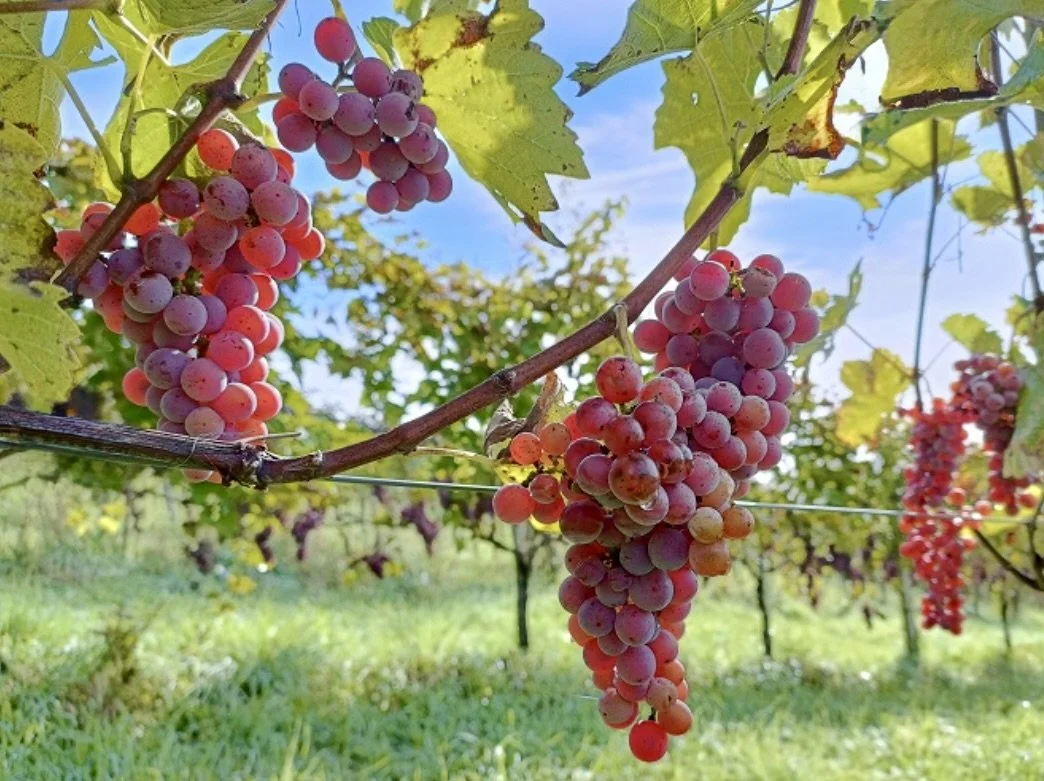
Souvignier Gris
Souvignier Gris is a modern, pink-skinned, fungus-resistant (PIWI) grape known for producing full-bodied white wines with notes of melon, apricot, and quince, similar to Pinot Gris. It is valued for sustainable farming due to its disease resistance.
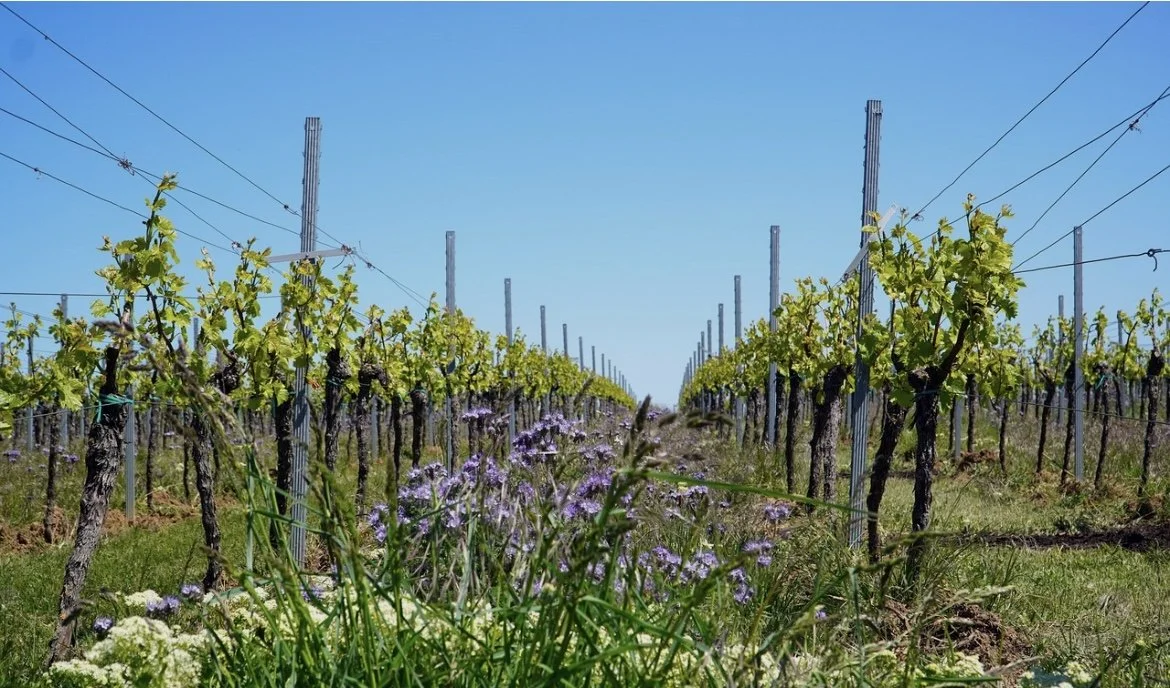
From Science to Emotion
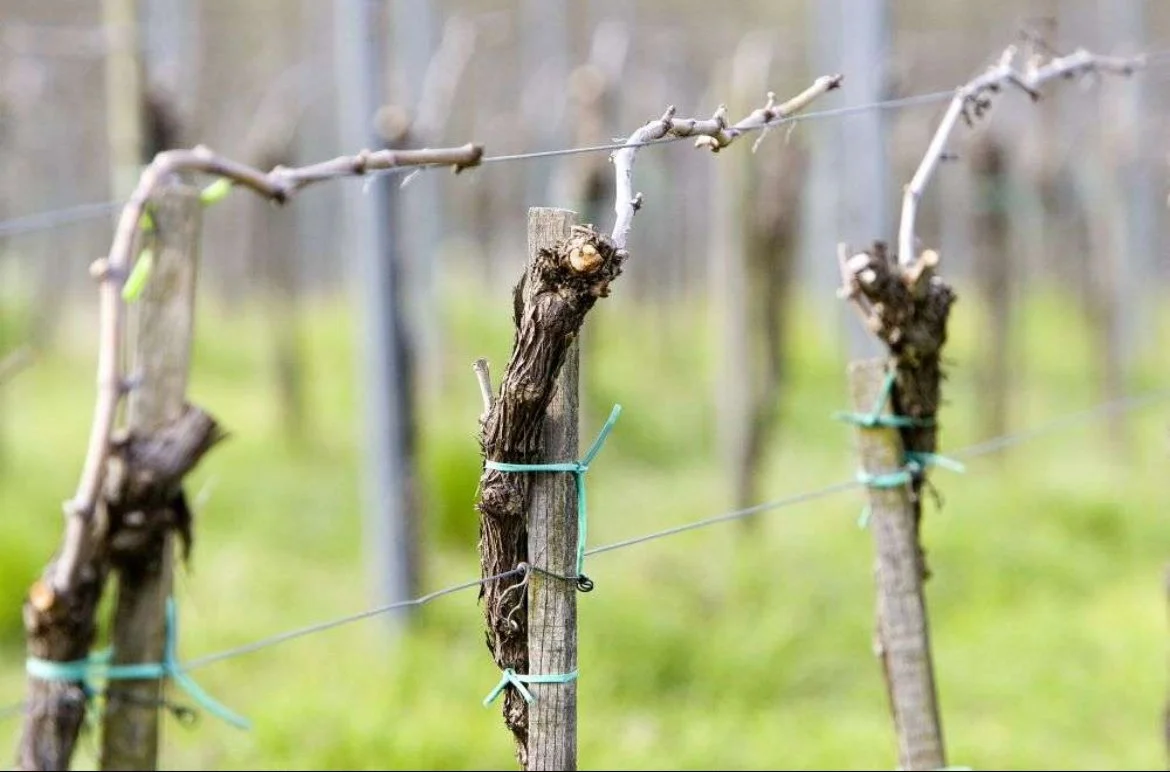
The planting of PIWI and indigenous grapes are front-and centre in sustainable viticulture, and will become widespread in Languedoc’s vineyards.
The future?
PIWIs are grape varieties that have been bred and selected from Vitis vinifera and non-vinifera parents, to have a high resistance to fungal diseases, as well as other attributes.
Once again, the IGP system sits at the heart of this transition. Just as IGP enabled the international varietal revolution of the late 20th century, IGPs now provide the regulatory flexibility needed to respond to climate and market realities. They allow growers to pivot toward resilient varieties, lower-input viticulture, and new styles better aligned with today’s consumers.
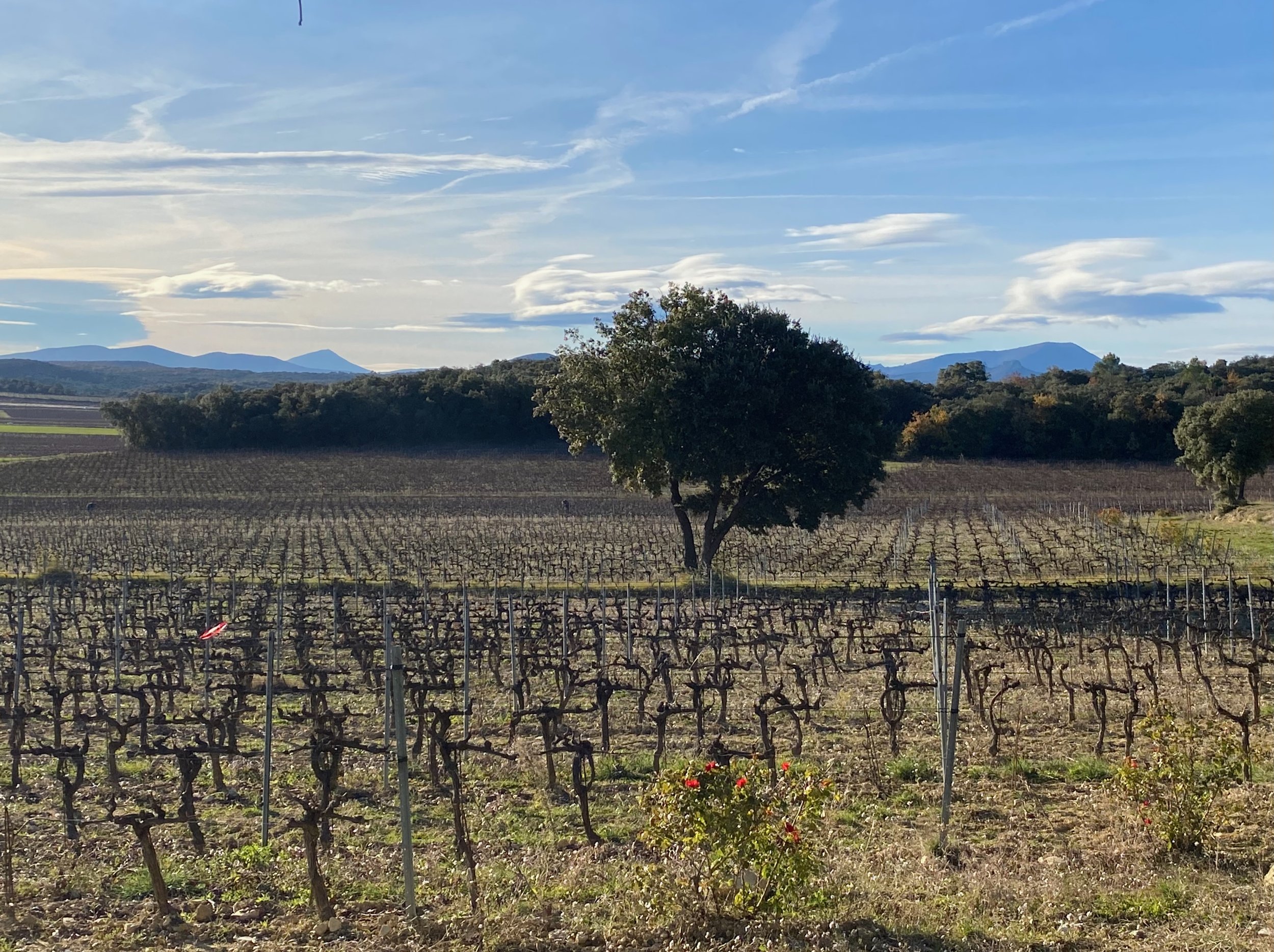
In this sense, Languedoc is not repeating history — it is completing a cycle. The industrial vineyard was dismantled in the 1980s to make room for quality and diversity. Today’s uprooting marks the end of another phase, clearing the way for a leaner, more resilient viticulture shaped as much by ecology as by economics. Once again, the region is redefining itself — not by clinging to the past, but by using crisis as a catalyst for reinvention.
a vineyard awaits 2026
Languedoc’s history shows that uprooting is never just about loss — it is about transition. In the 1980s, vines were pulled out to end an industrial wine economy and open the door to international varieties under the IGP system. Today, uprooting returns as climate change and declining consumption force another reckoning. Once again, the IGP framework provides the freedom to adapt, allowing growers to rethink scale, reduce inputs, and plant PIWI grapes designed for resilience rather than volume. What looks like repetition is, in fact, evolution: the region using the same mechanism to answer a new set of challenges. Languedoc is not abandoning its vineyards — it is redefining them, proving once more that its greatest strength lies in its ability to change.